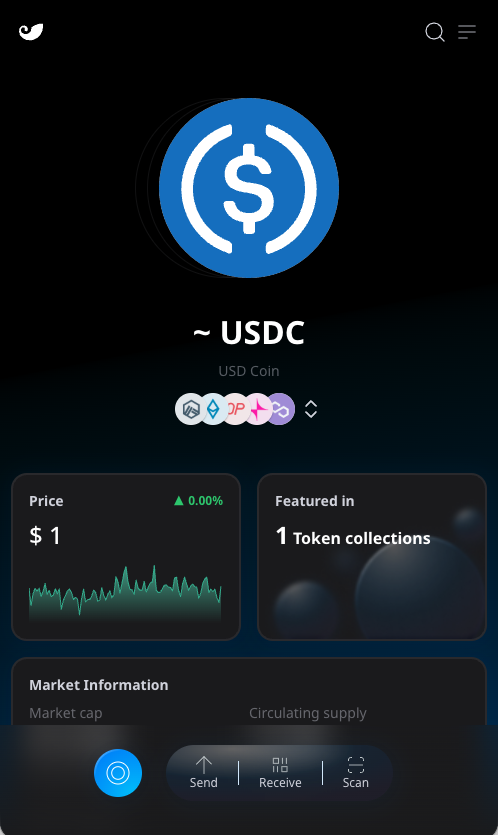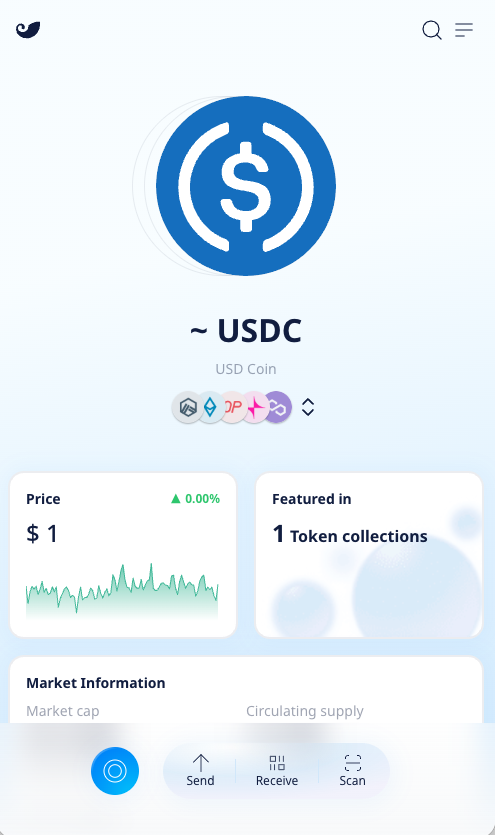
imToken Webapp
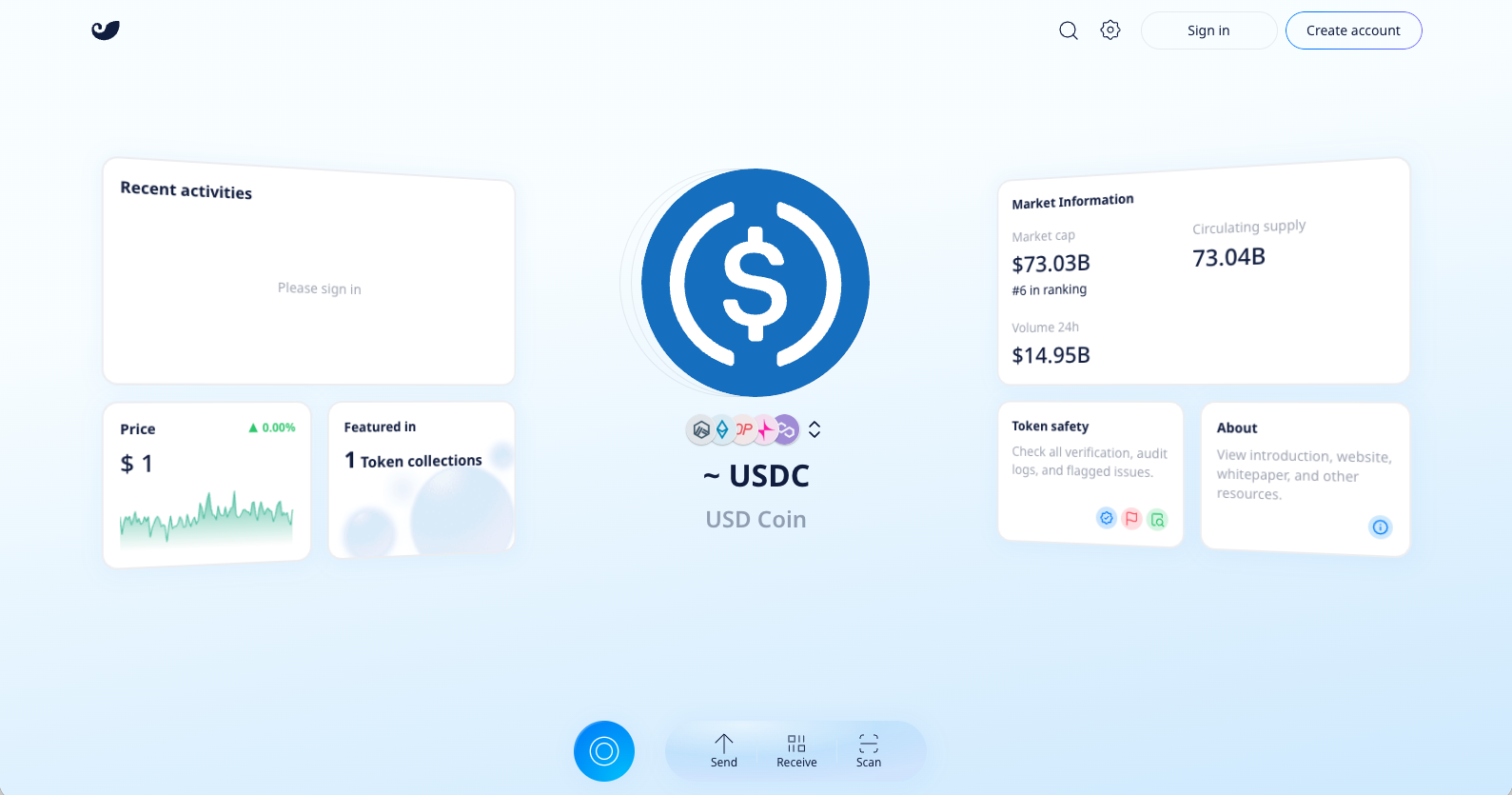
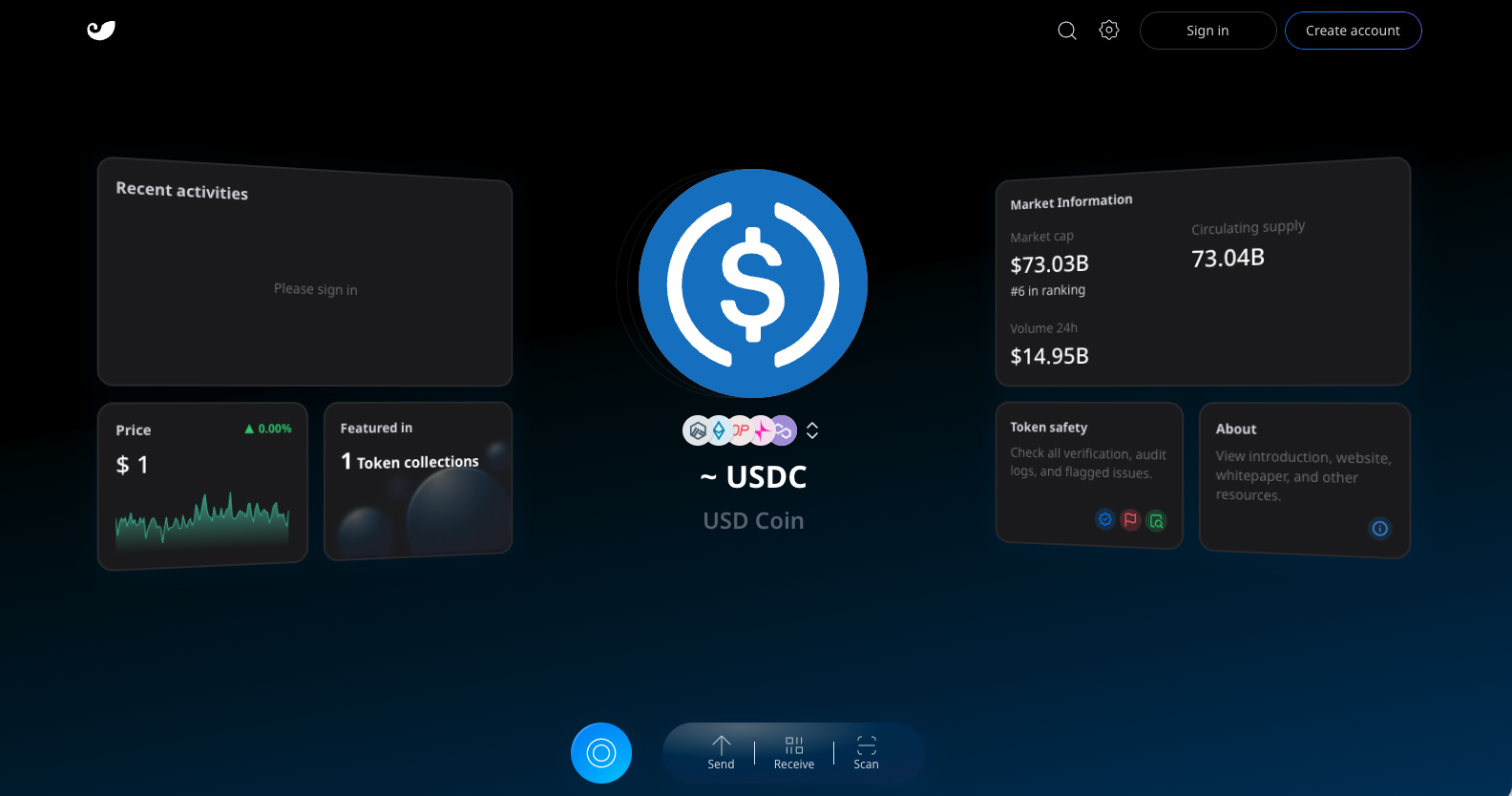
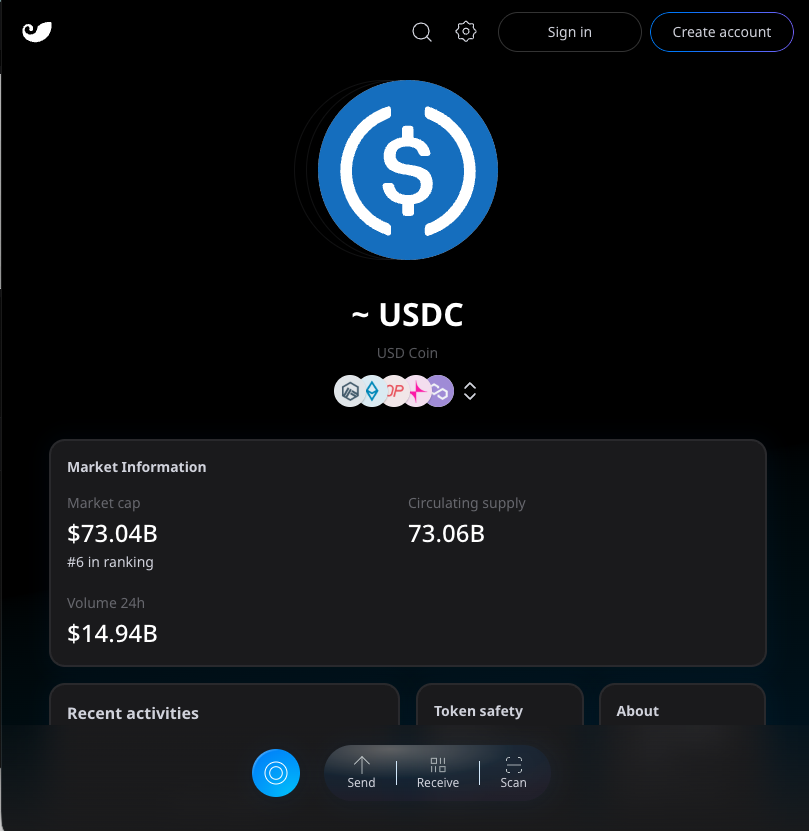
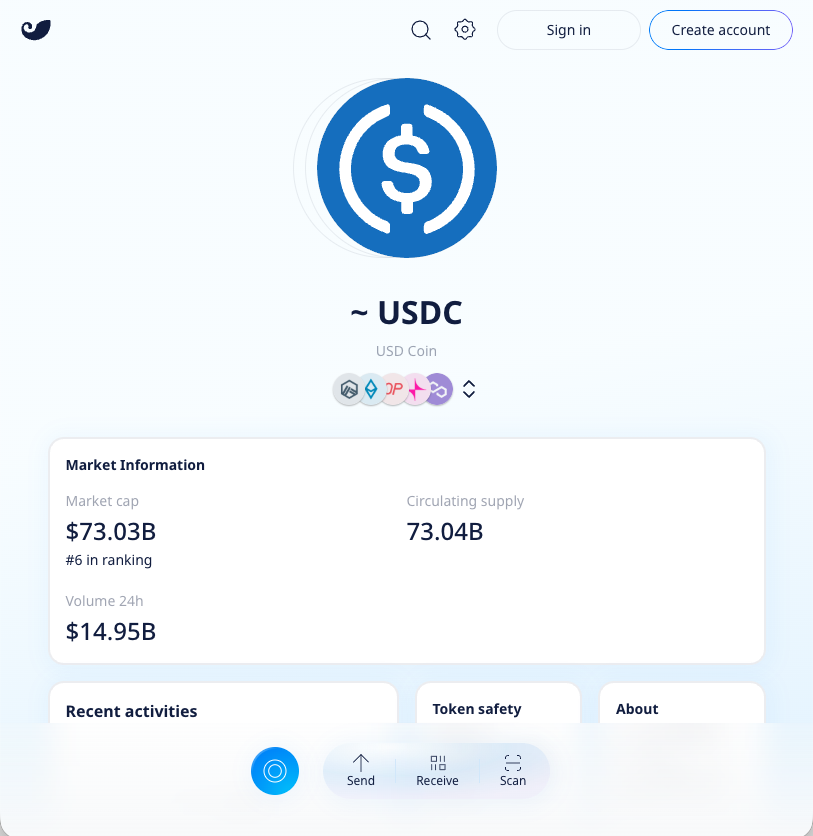
imToken Webapp is a web-based application built with smart contract, allowing everyone to have equal, quick and interactive access to tokens.
1. The Foundation: Token-centric Initiative
Starting from the internally aligned Token-centric initiative, the design was driven by the core insight that "Tokens are a new data format" (comparable to text, images, or video) carrying intrinsic value.
- Tangibility ("Spatial" & "Physical"): To make tokens feel "real" rather than just numbers on a screen, I adopted a "Can see, can touch, can feel" approach. This involved exploring 3D and 2D visuals where specific shapes, geometries, and "uni-body" integrations (combining company logo with token icons) give tokens a physical presence.
- Visual Consistency for Identification: To help users navigate the millions of available tokens, the design establishes a consistent classification system. By utilizing shape, color, pattern, and animation, users can intuitively identify and distinguish between different token types (Fungible, NFT, SoulBound).
2. Accessible decentralization for everyone
- Just-in-Time Access: Adopting the "Open Web" strategy (Web Browser + Connection = Access) to eliminate the friction of pre-installing wallet apps, with account abstraction based on smart contract, no more seed phrase memorization or backup.
- Permissionless Interaction: Enabling a "Claim via Link" flow where users can receive value immediately, bridging the gap between Web2 behaviors and Web3 technology. Link can also be easily made tangible in a variety of forms like NFC tag, QR code and more blend in real life scenarios like red pocket or secret envelope. This made tokens 0 barrier to access, interact and spread.
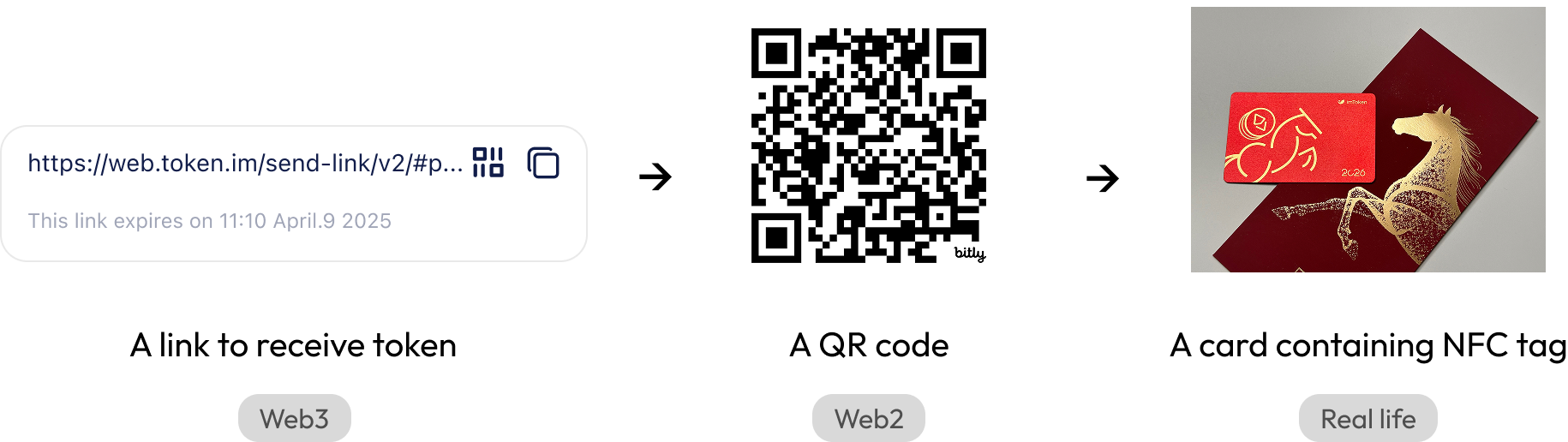
Standard one click to claim token
Red pocket version for festival
3. Scalable hub for a wallet/dapp combination
Through multiple iterations, webapp has become more than a wallet, it is a hub for token related activities in the form of "dapp". That's why I later worked on a sustainable and scalable design system that gradually defines element, component, IA rules, etc. to support the growth of the product.
- Scalable Architecture: Starting with a focused wallet utility while building an Information Architecture (IA) ready to expand into a multi-vertical hub and support full lifecycle from marketing to landing and conversion on chain.
- Unified Design System: Created a flexible design language that accommodates diverse platforms under a single cohesive brand usage.