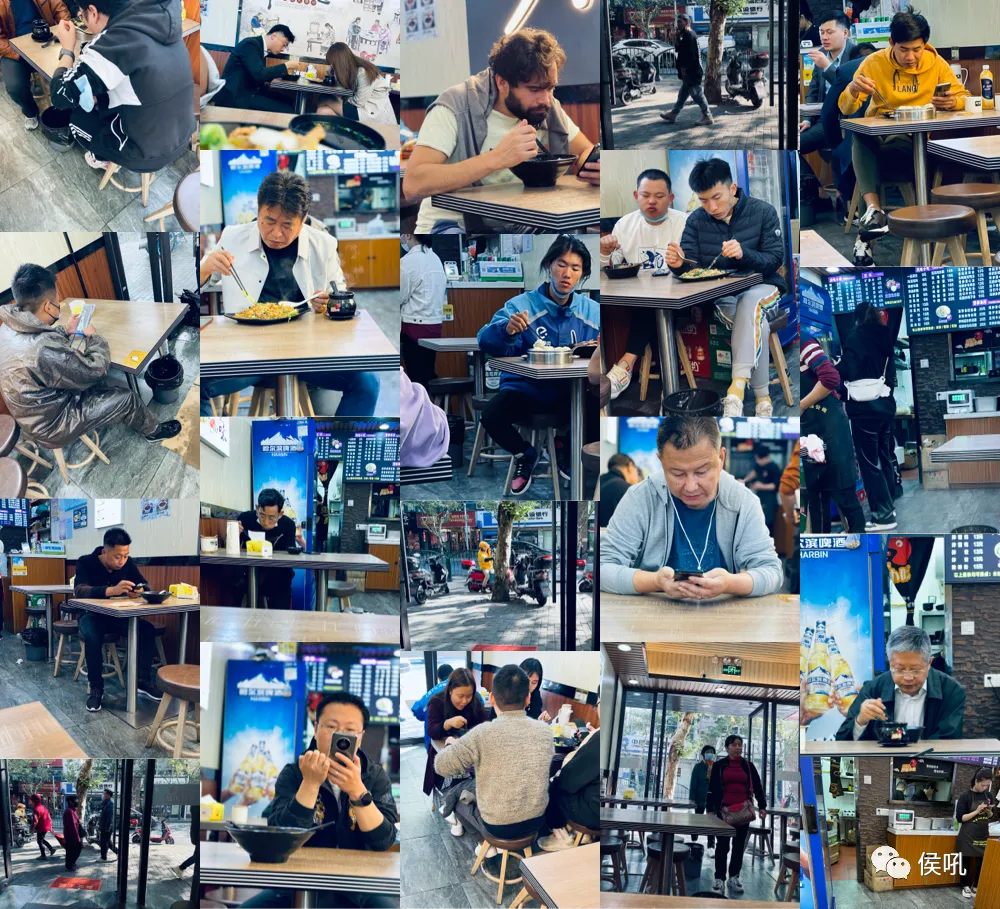
Eating at the Same Local Alley Restaurant for 30 Days, I Watched Different People Come and Go
Lujiazui.
Shanghai.
For thirty consecutive workdays,
I had lunch at the same Shaxian Restaurant
on Dongchang Road, Lujiazui, Shanghai.
I did not interview anyone.
I did not ask questions.
I watched.
I work at an internet company.
UX designer.
Quiet by habit.
Observation has always felt more reliable than participation.
Years ago in Beijing,
I was drawn to the urban villages near Dazhongsi.
During one Spring Festival,
I rode four trucks back to Jiangsu.
I listened more than I spoke.
In New York,
I once stood on the Flushing subway
pretending to be a student,
talking about Manhattan with someone
who did not officially exist.
These were not investigations.
Only proximity.
Our office sits above Metro Line 2.
Two minutes away:
shopping malls, imported groceries,
specialty coffee, clean glass facades.
Lunch there is efficient.
Predictable.
Dongchang Road is different.
A few hundred meters long.
Small storefronts.
Handwritten menus.
Cash counters worn by use.
Among them, a Shaxian shop.
White tiles.
Plastic stools.
Steam.
Inside,
the atmosphere is functional.
No branding language.
No curated mood.
People enter, order, eat, leave.
Ten minutes on average.
Within those ten minutes:
a dish,
a price,
a posture.
That is enough.
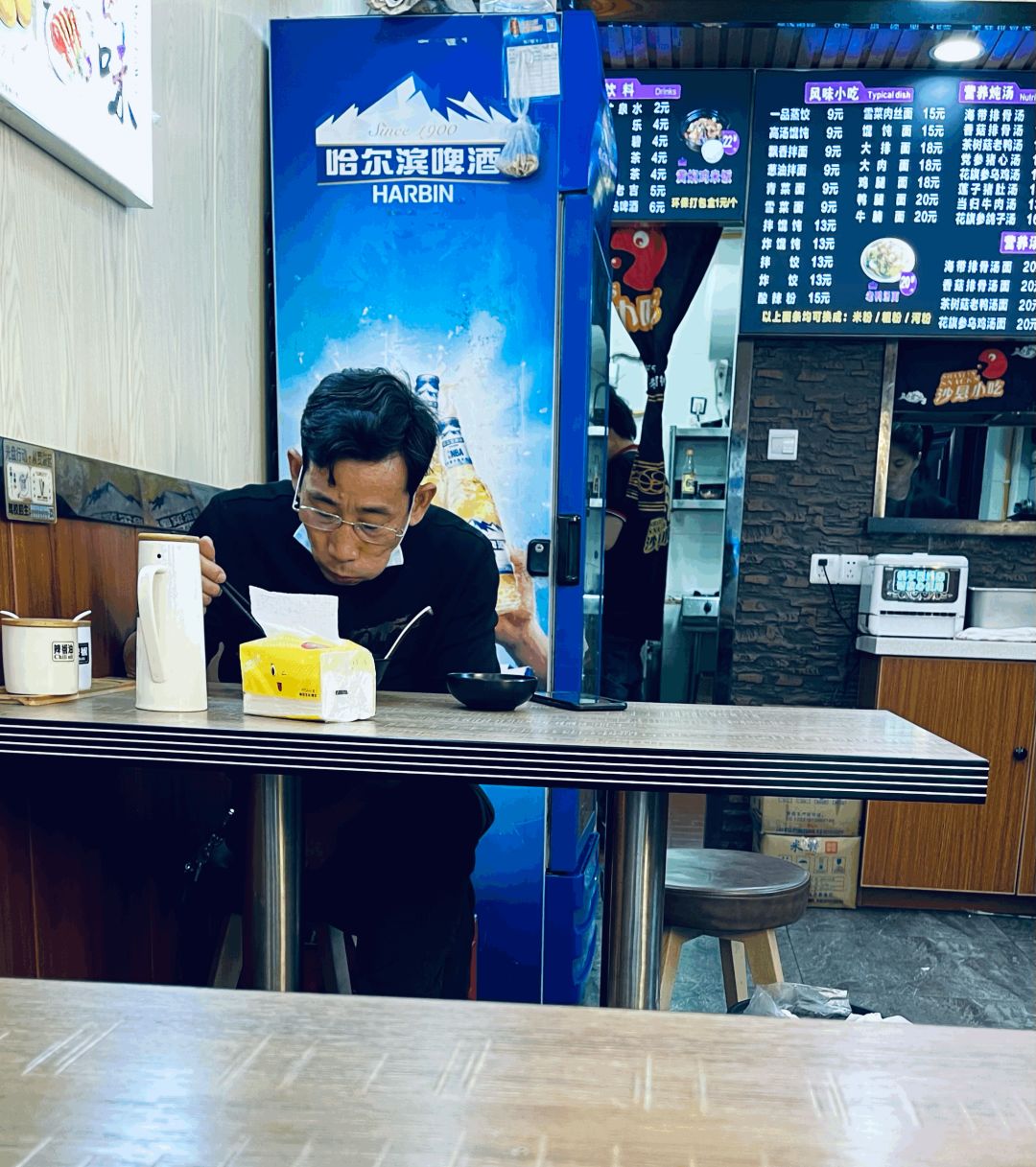
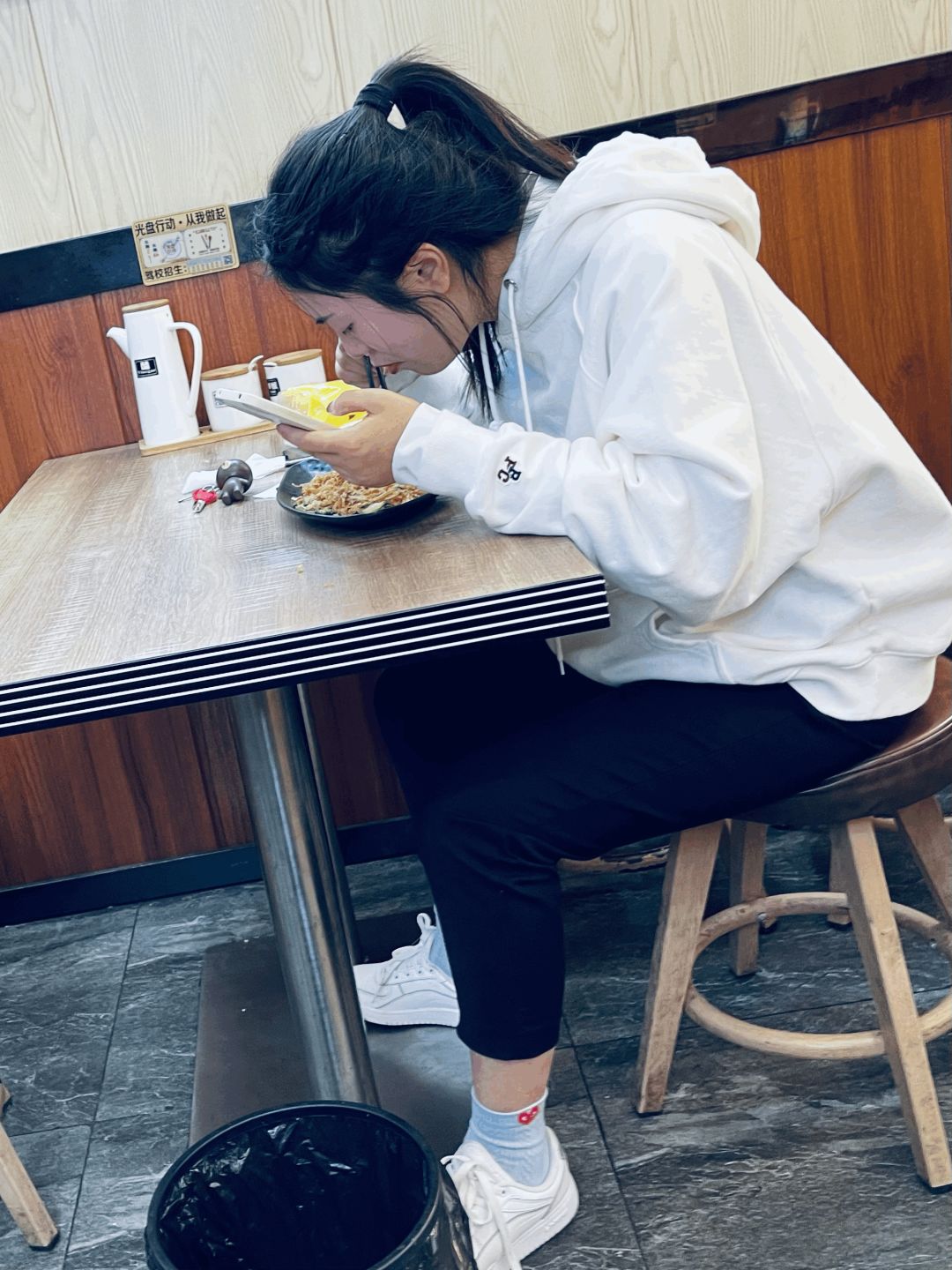
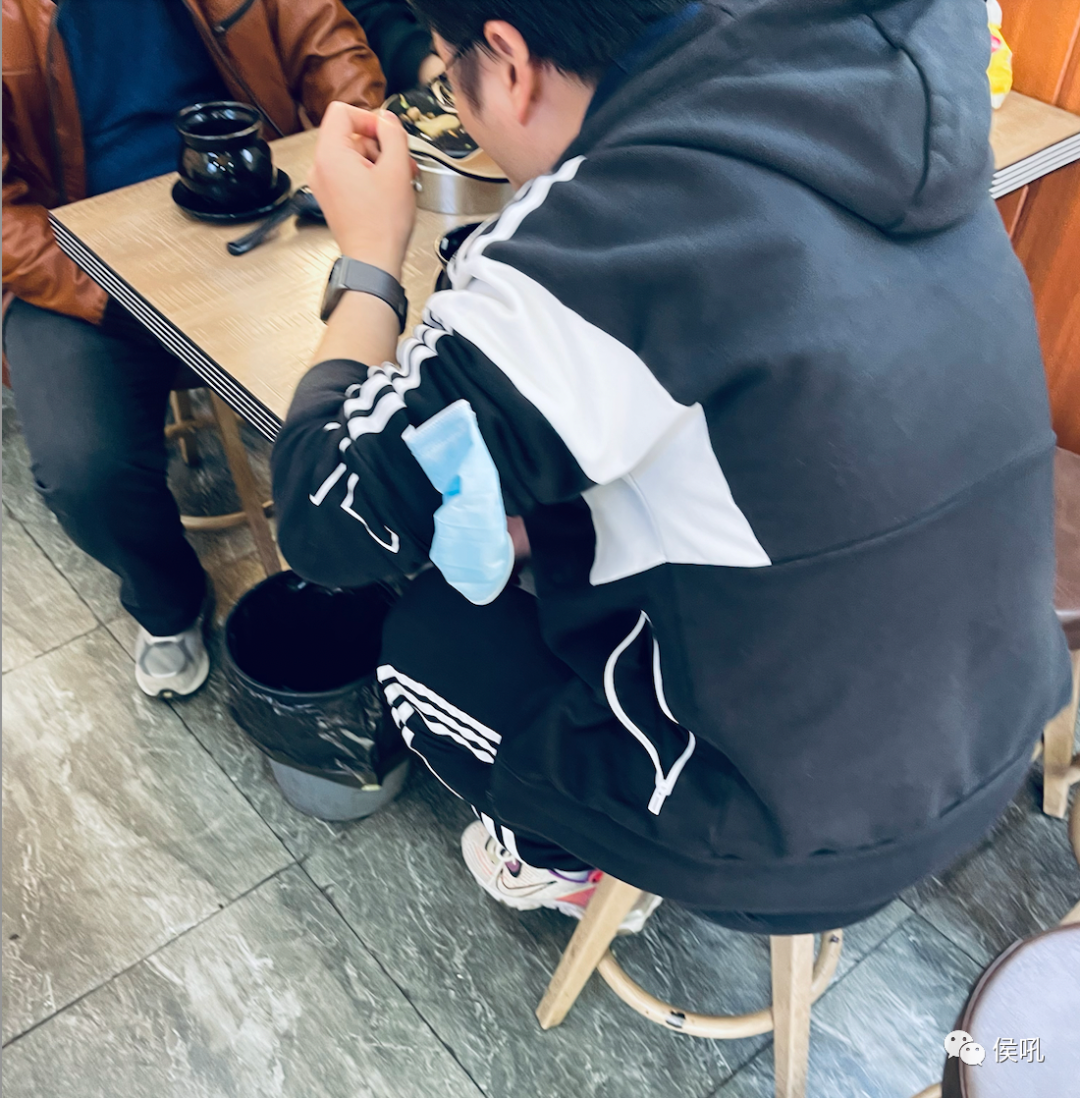
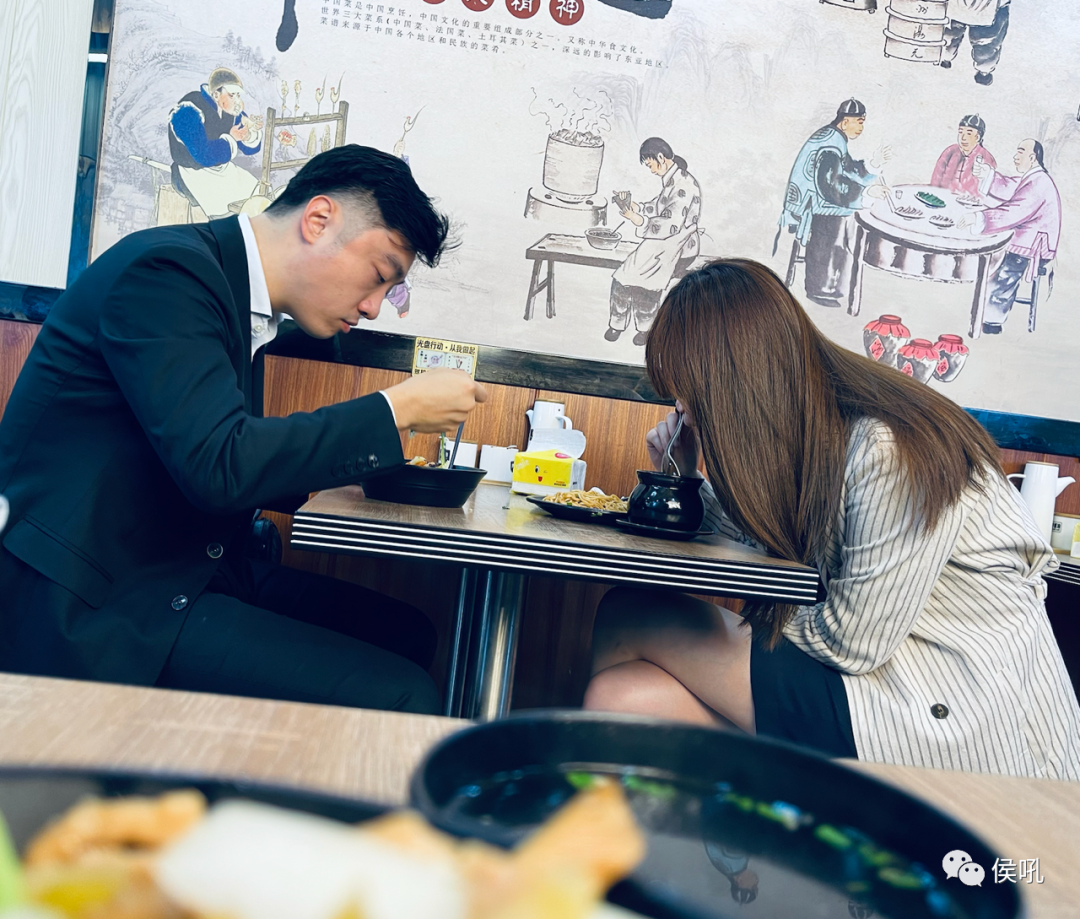
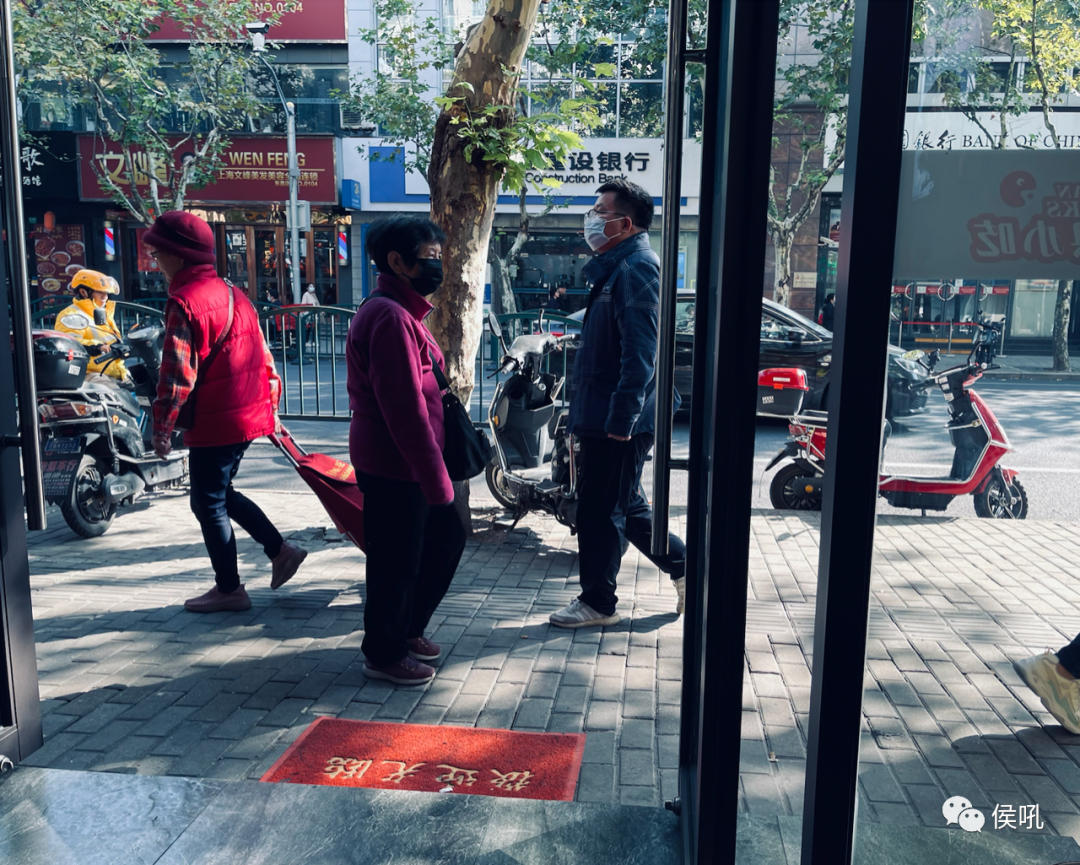
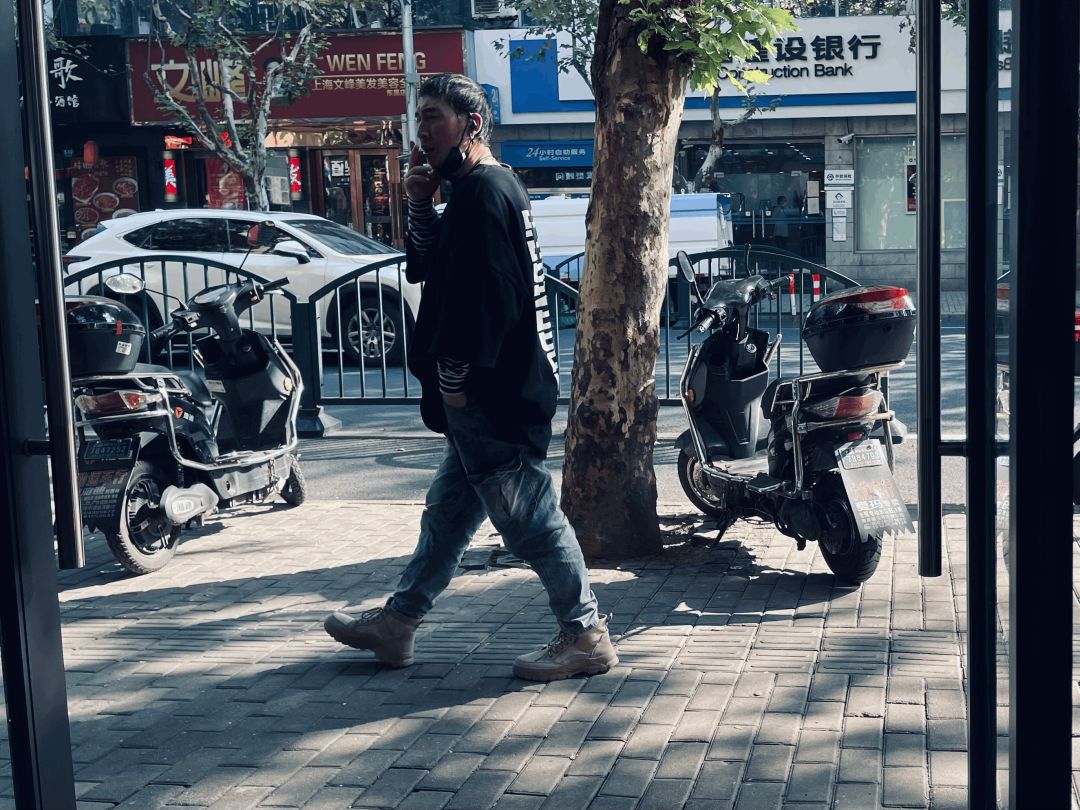
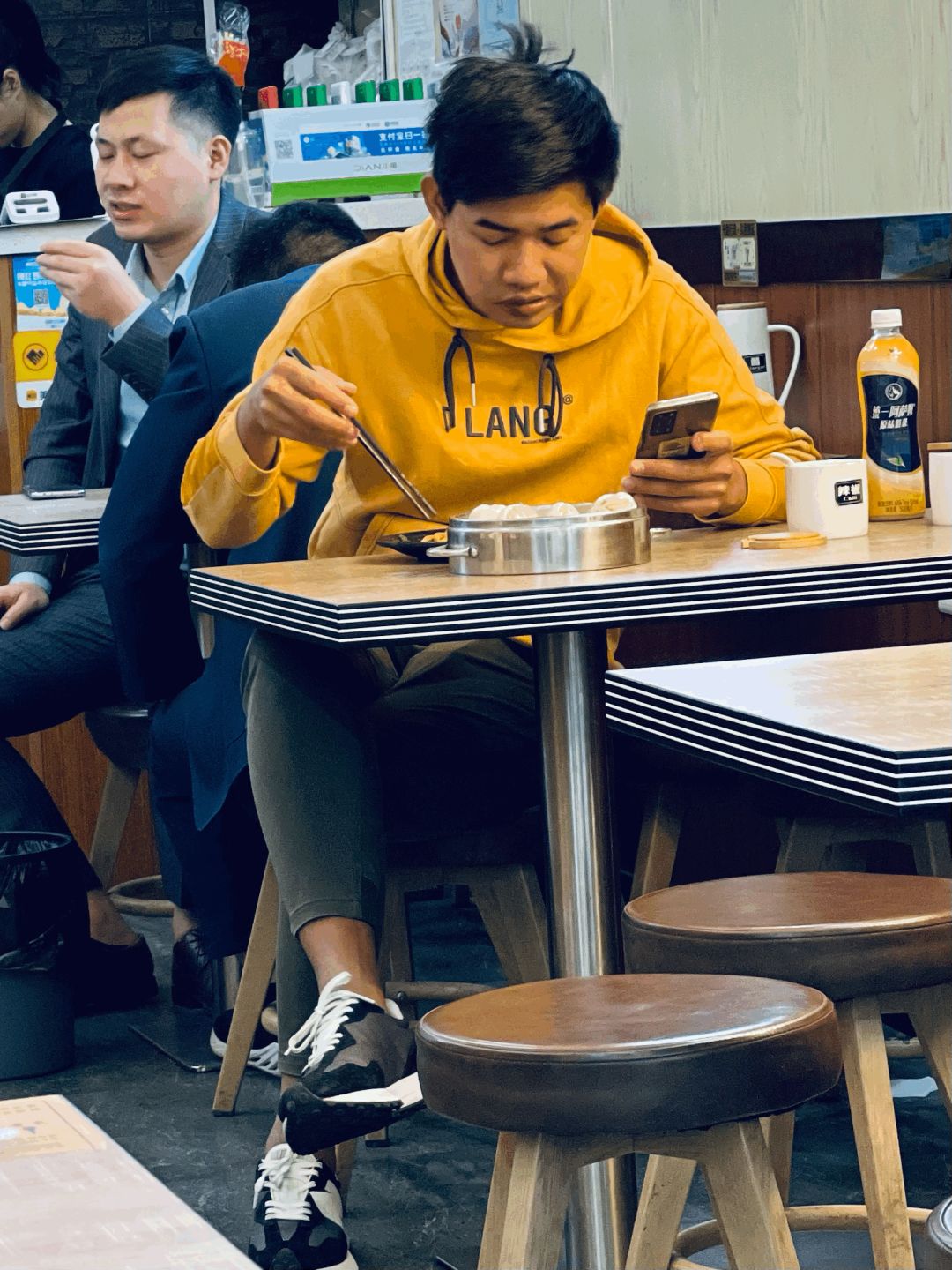
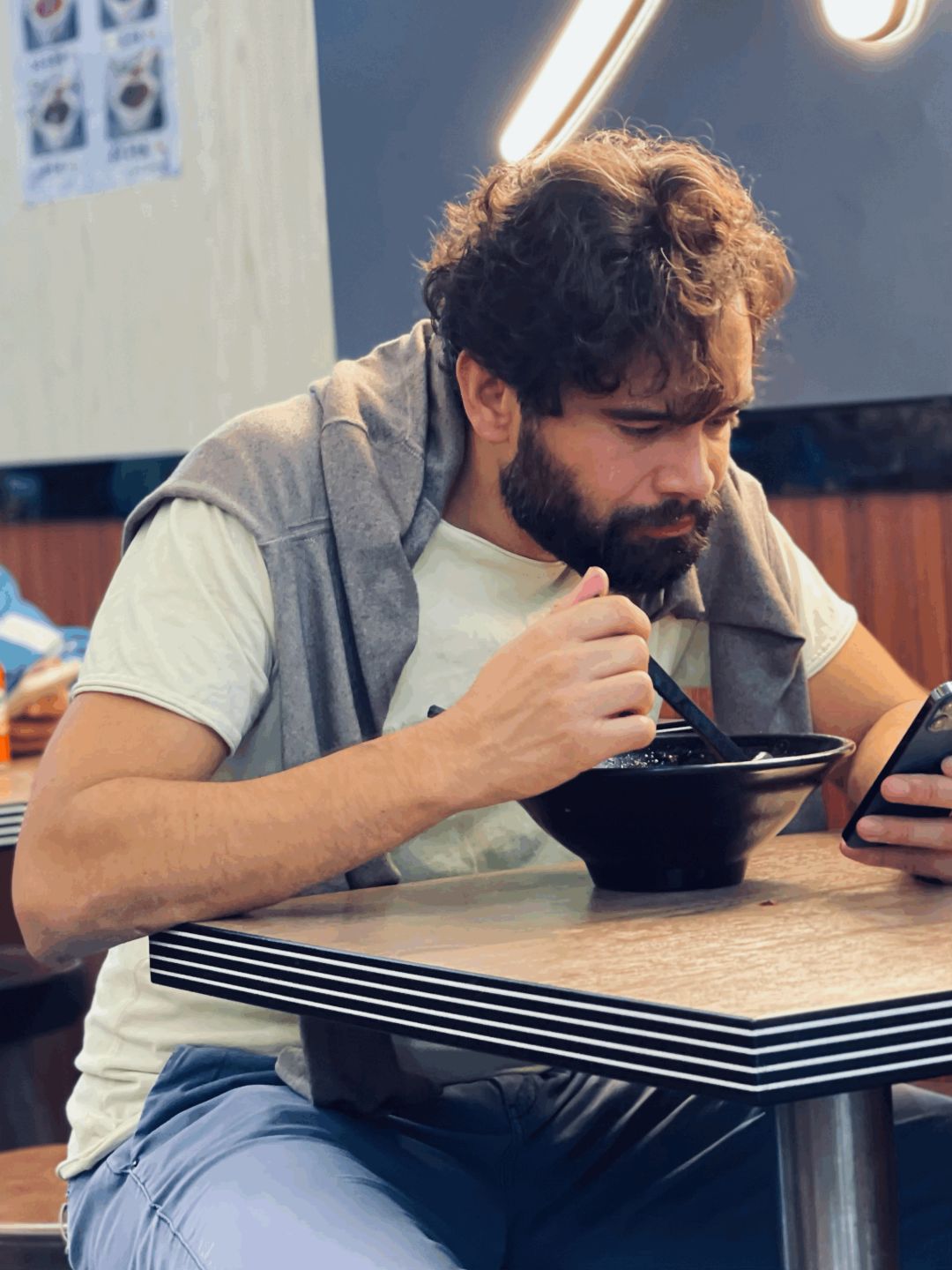
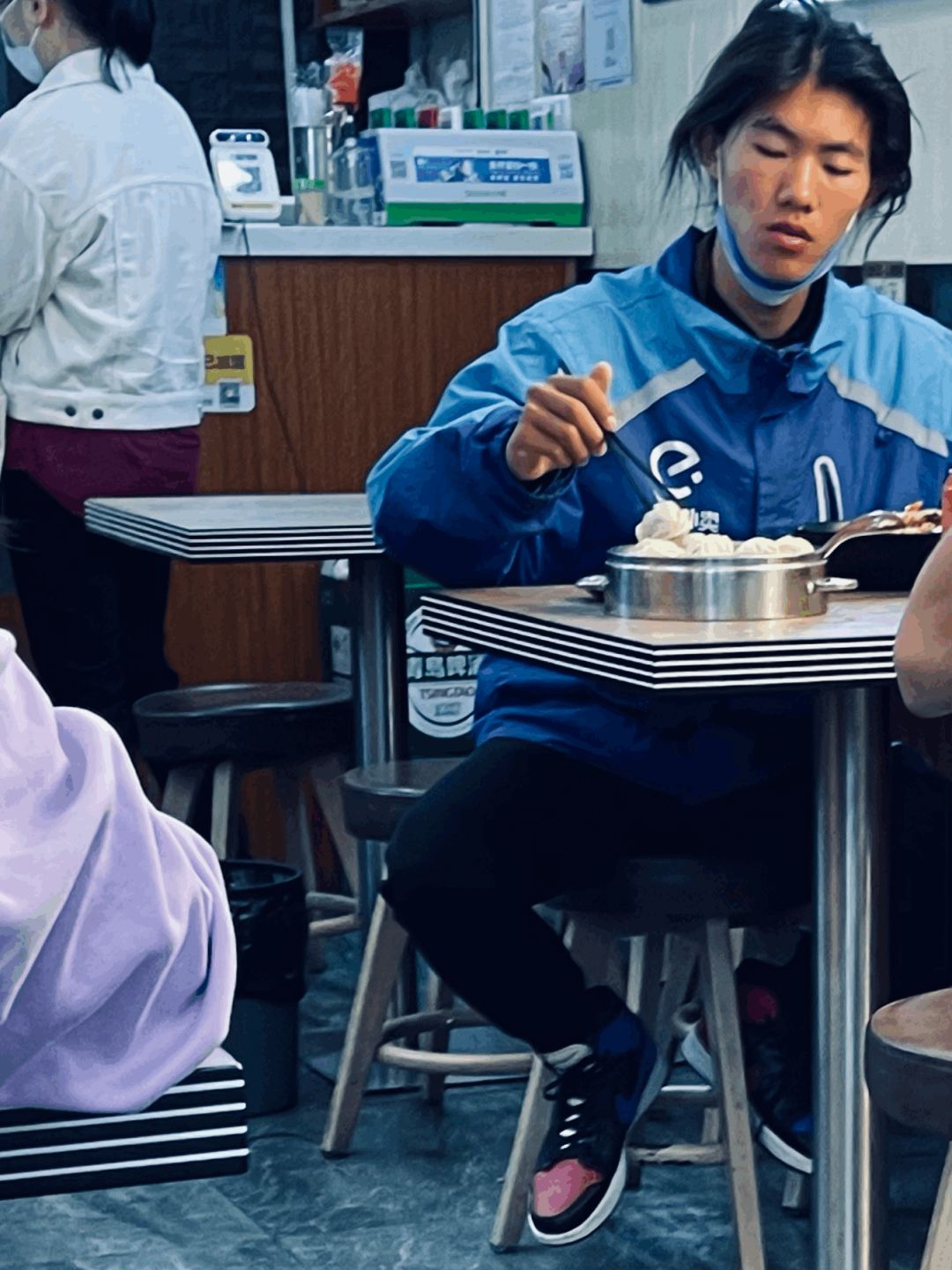
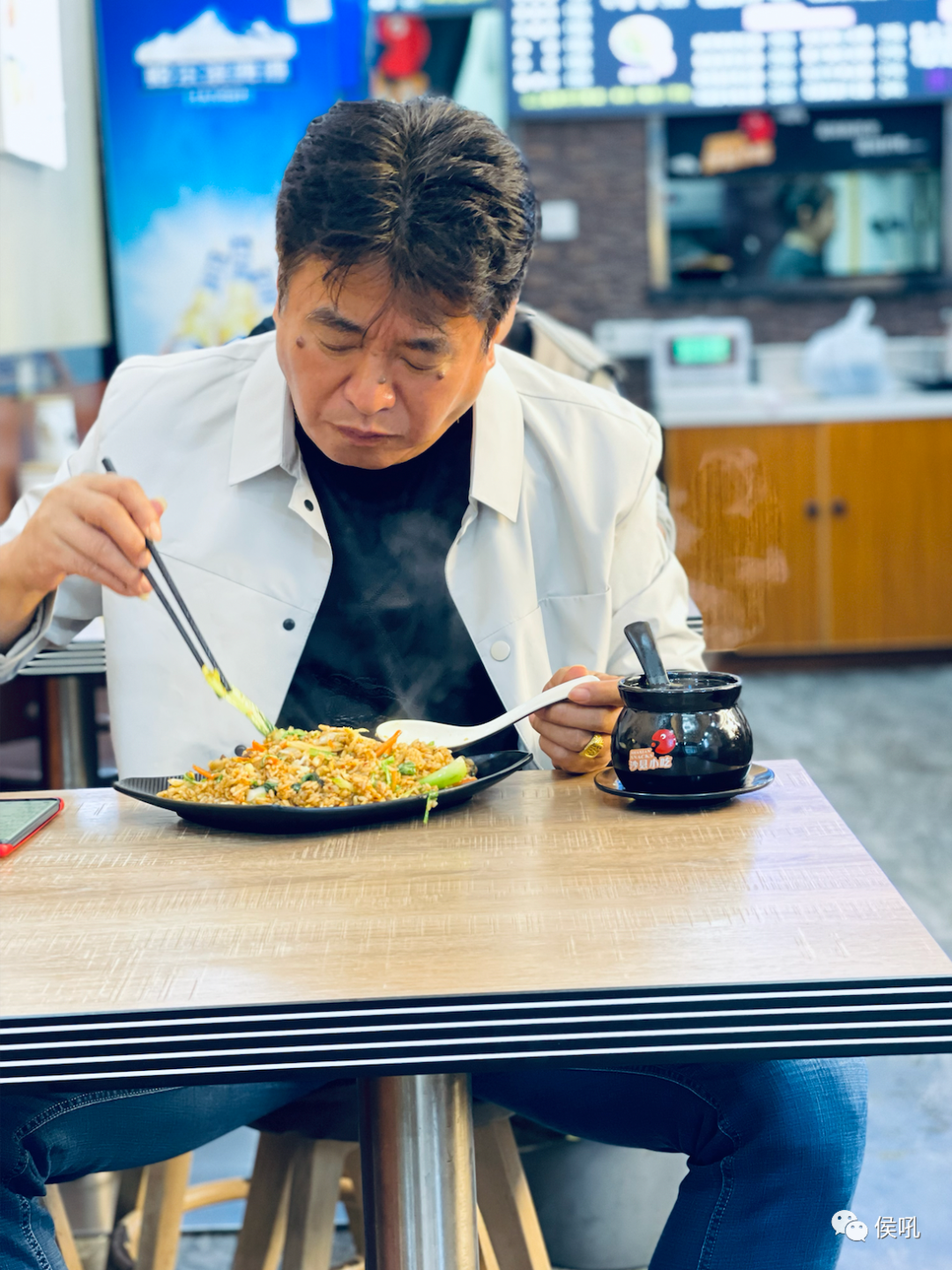
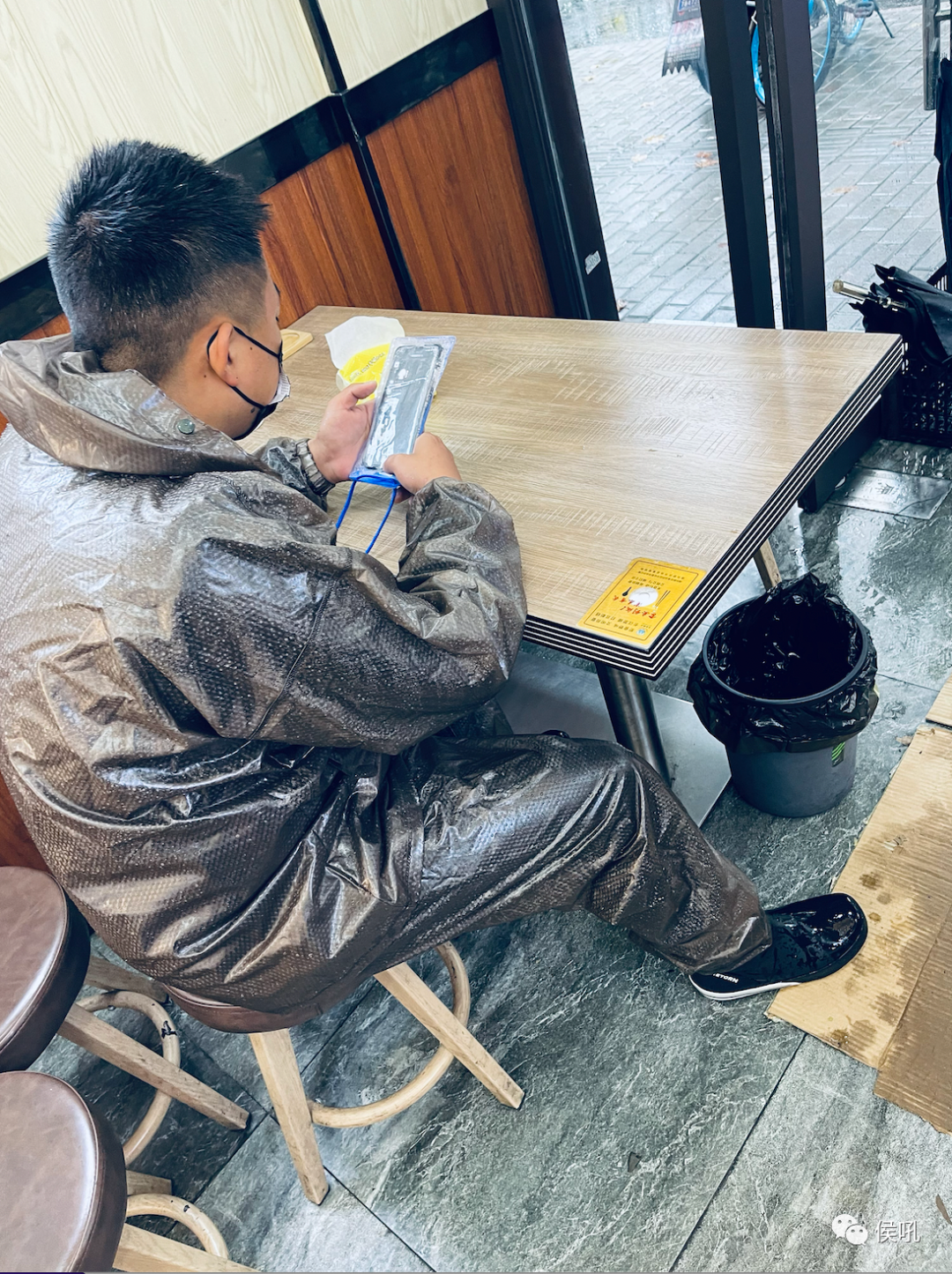
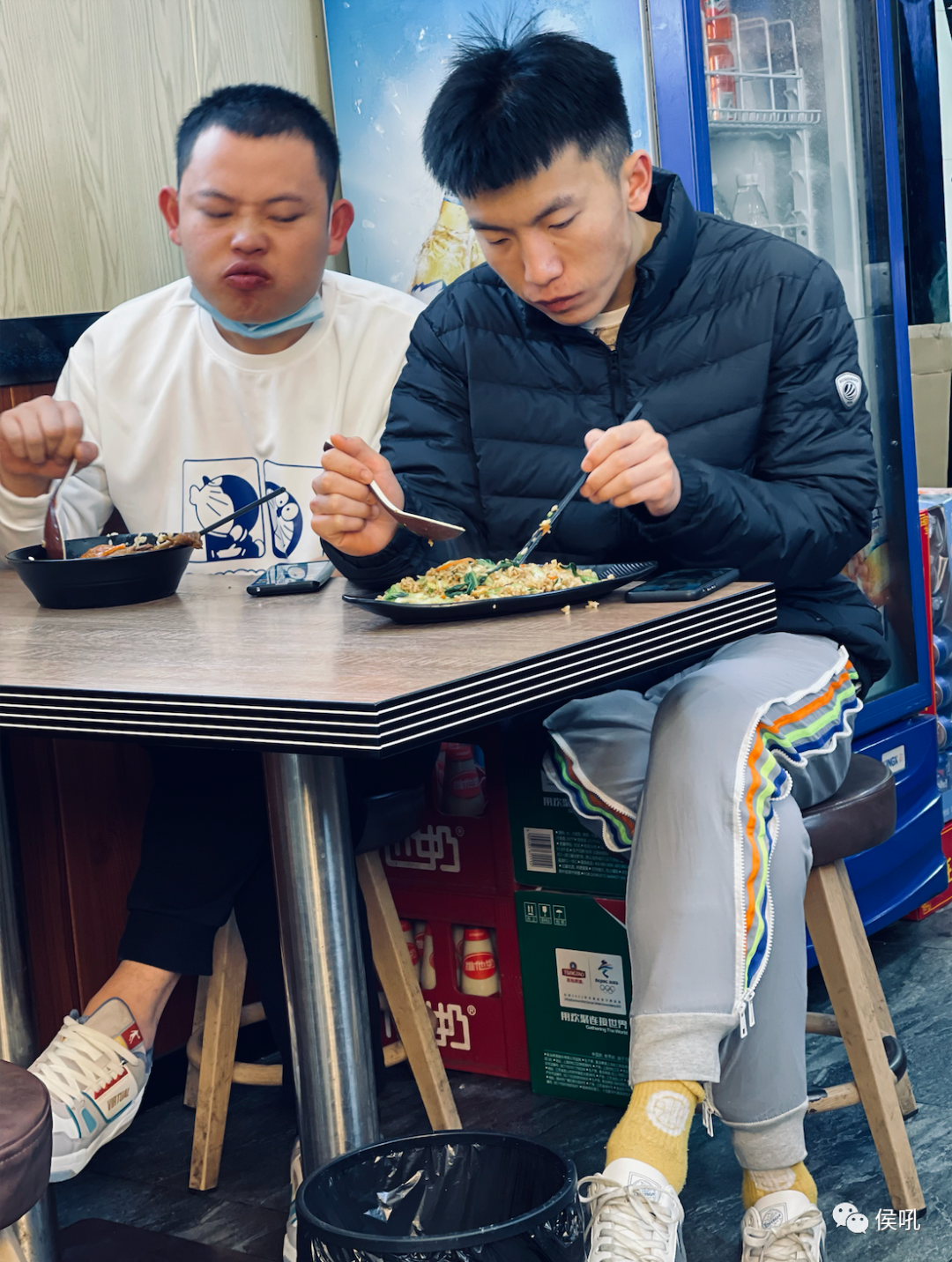
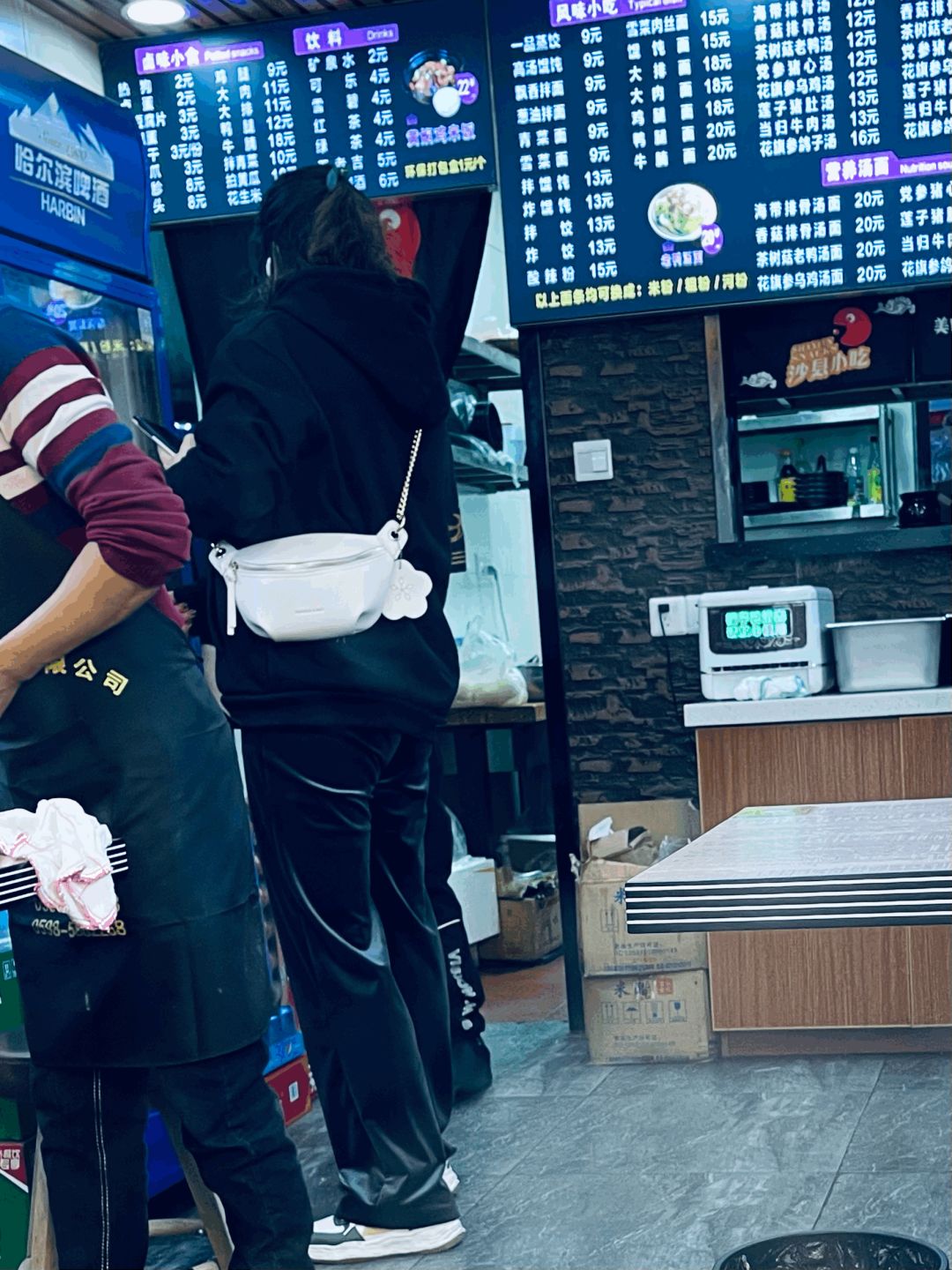
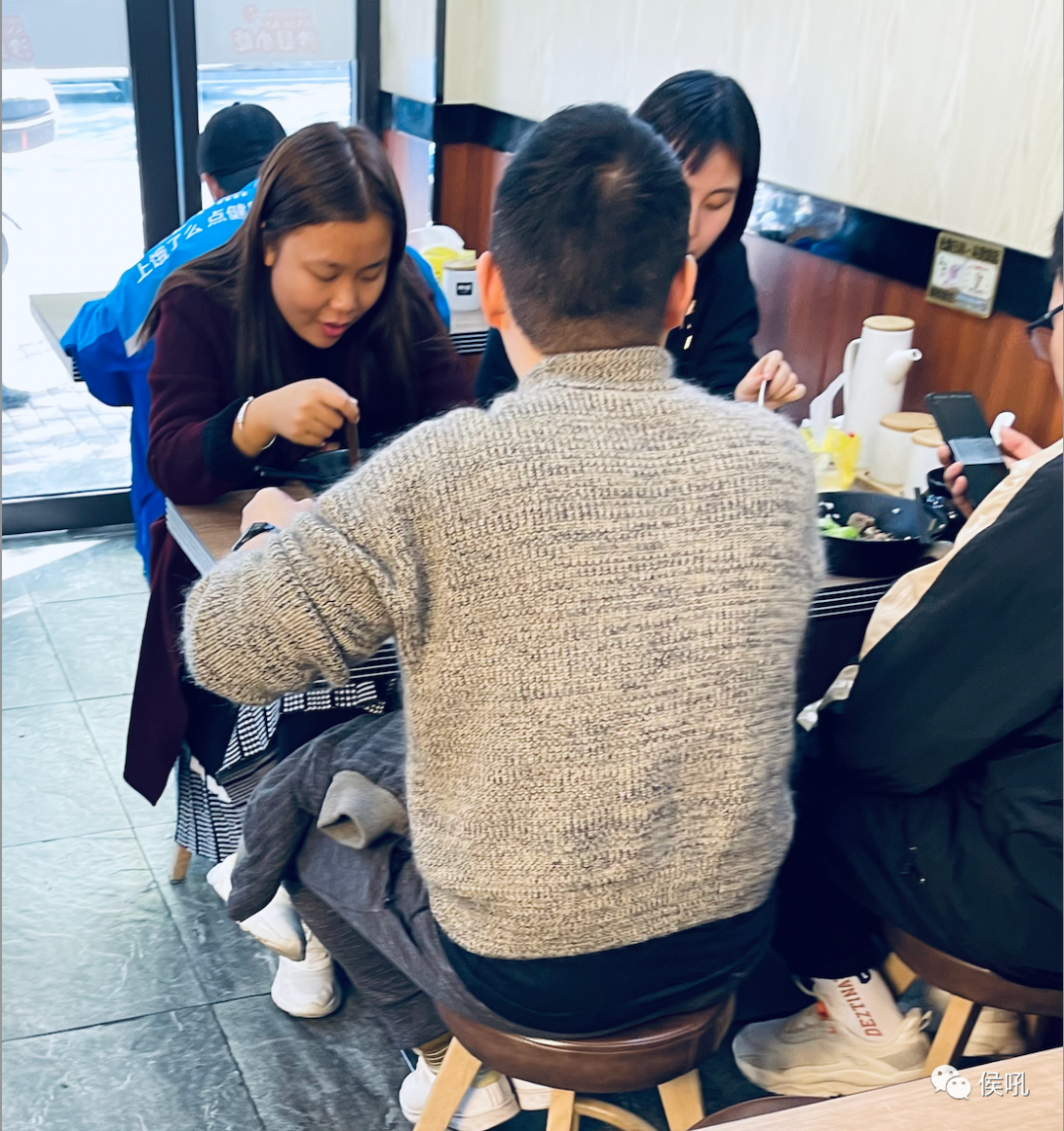
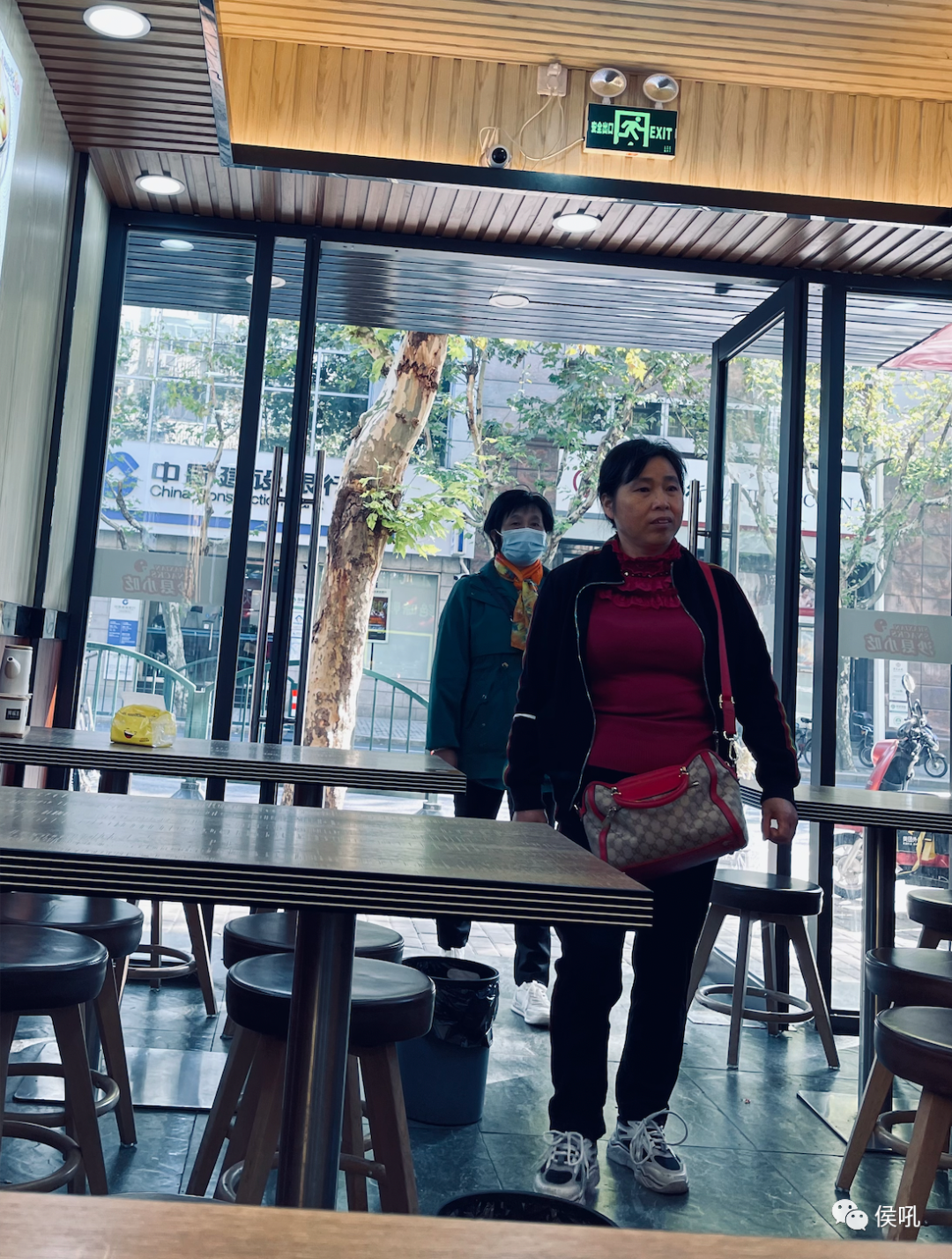
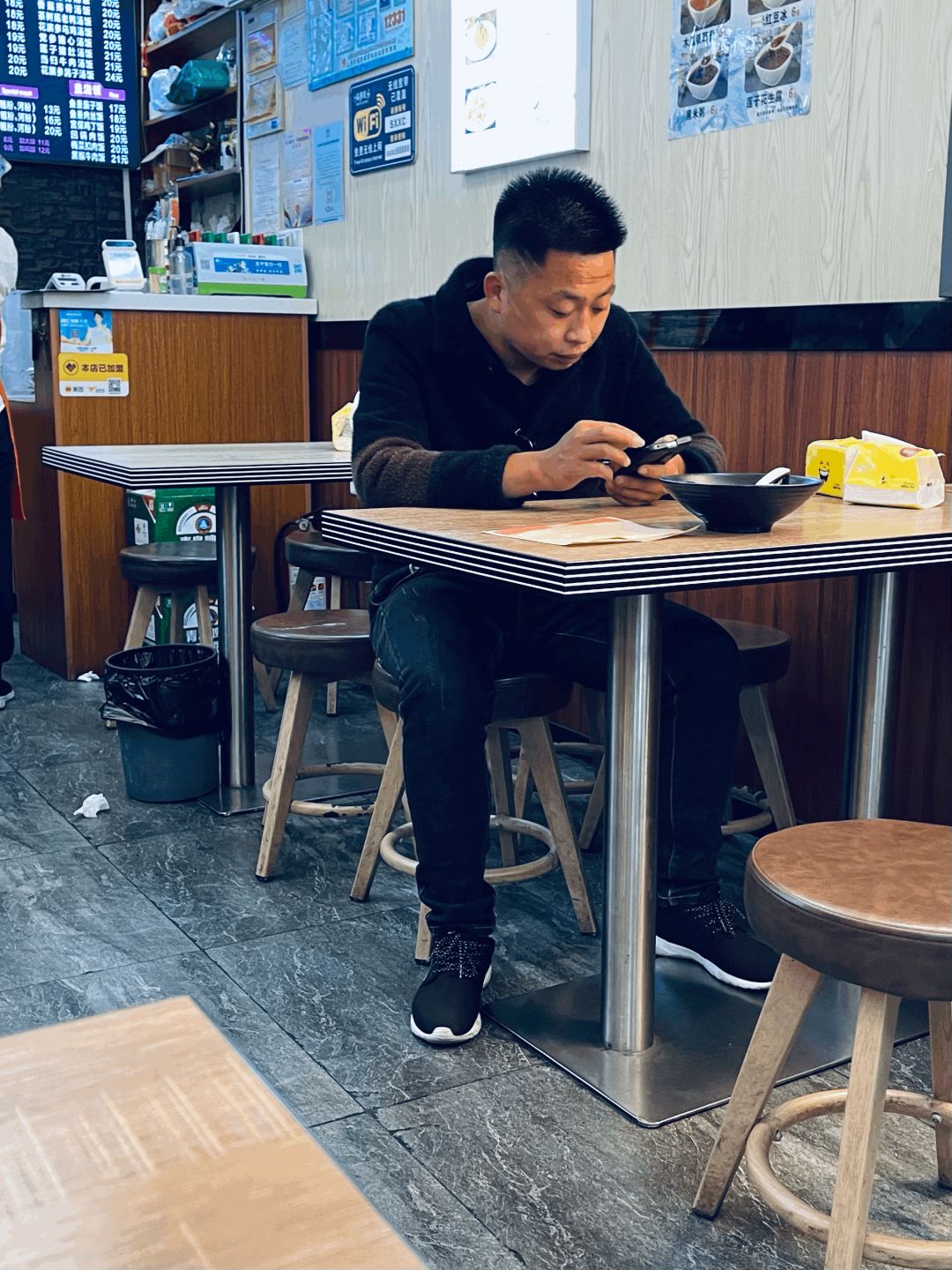
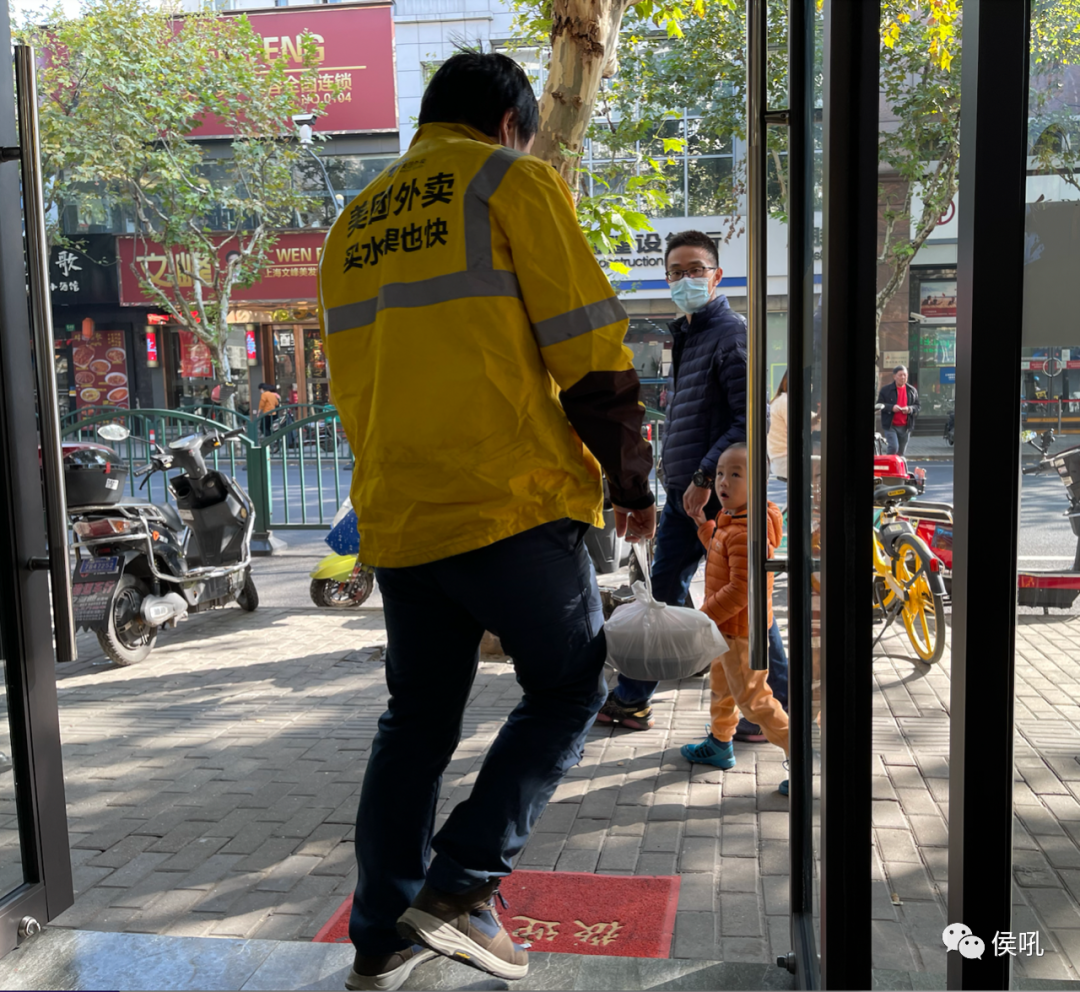
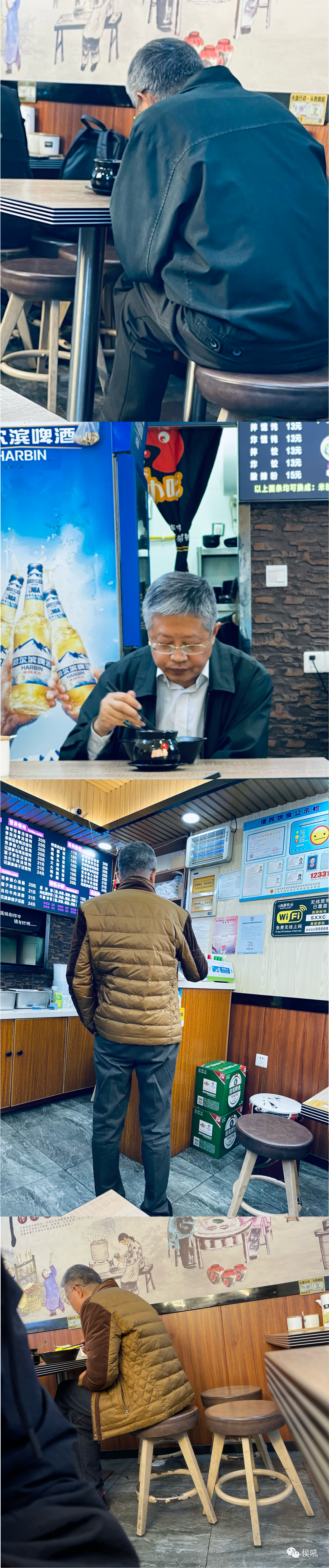
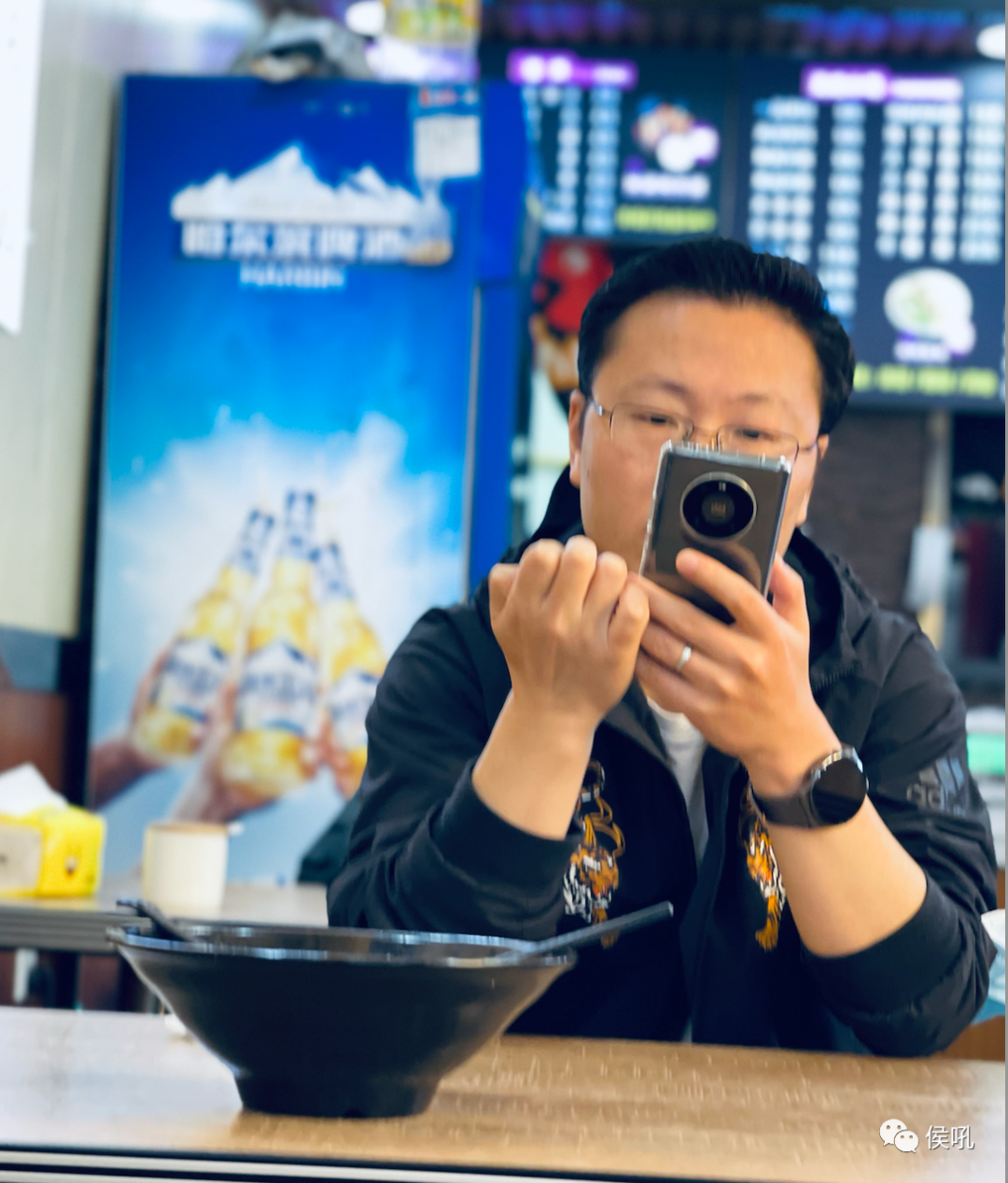
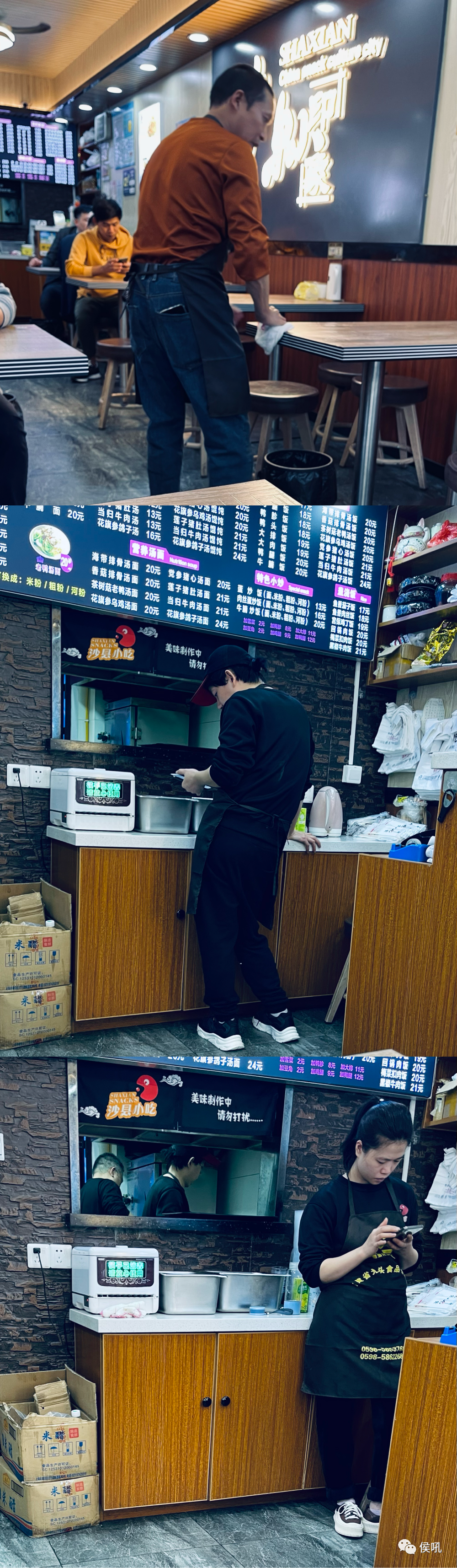
The restaurant does not aspire upward.
It satisfies hunger.
Around it,
glass towers.
Inside it,
plastic trays.
The people here are not exceptional.
They are typical.
They repair hair,
deliver meals,
sell apartments,
negotiate small commissions,
calculate rent.
They sustain the city physically.
Elsewhere,
we discuss experience design,
brand narratives,
product-market fit.
The distance between these spaces
is measurable in steps,
but not equivalent in structure.
I recorded this without a thesis.
Thirty days.
One location.
A cross-section.
If there is any conclusion,
it is minimal:
The city runs
because of people
who eat quickly
and return to work.
Everyone moves.
Everyone leaves.
The shop remains.